
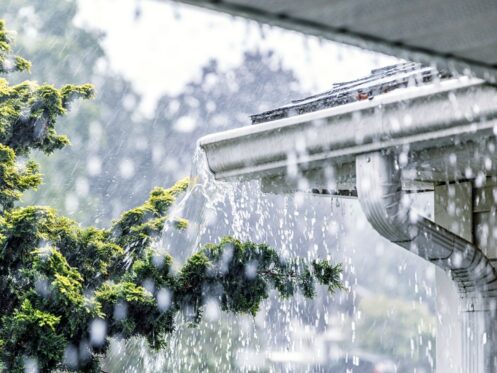
Spring storms in Johnstown can bring strong winds, heavy rain, and a lot of moisture in a short amount of time. Even if your home looks fine from the ground, storms can leave behind damage that is easy to miss at first.
Knowing what to check after heavy spring wind and rain in Johnstown can help you catch problems early, before they become larger repairs. Roof damage, clogged gutters, siding problems, and hidden leaks can all worsen if ignored.
Why Spring Storms Can Leave Hidden Exterior Damage
Spring storms often hit homes from multiple directions at once. Wind can loosen roofing materials, while rain can push water into small gaps around your roof, siding, or gutters.
Some damage is obvious right away, but other problems may take weeks to show up. A loose shingle or damaged flashing can slowly allow water into your home over time.
Johnstown homes also deal with changing spring temperatures and wet weather, which can put extra stress on older roofing and siding materials.
Check Your Roof for Missing or Lifted Shingles
Your roof is one of the first things you should check after a storm. Strong winds can loosen, lift, or tear shingles off completely.
Look for signs like:
- Missing shingles
- Curled or lifted shingles
- Roofing pieces on the ground
- Dark patches on the roof
- Debris buildup
Even small roof damage can let water underneath the shingles.
If you notice storm damage, it’s best to schedule professional storm repair services before the problem gets worse.
Look for Loose Flashing, Vent, or Chimney Issues
Storms can also damage the metal parts around your roof. Flashing around chimneys, vents, and roof valleys helps keep water out.
After heavy wind and rain, check for:
- Loose flashing
- Bent metal pieces
- Missing sealant
- Gaps around vents
- Chimney damage
Wind-driven rain can easily get into these openings if something becomes loose during a storm.
Check Gutters for Debris, Overflow, or Separation
Heavy spring storms in Johnstown can dump a lot of water into your gutter system very quickly. If gutters are already clogged with leaves, twigs, or shingle granules, water may spill over the sides instead of draining away from your home.
After a storm, check for:
- Gutters pulling away from the roofline
- Water overflowing near corners or downspouts
- Sagging gutter sections
- Debris packed into gutters or downspouts
- Water collecting near your foundation or landscaping
Overflowing gutters can soak fascia boards, damage siding, and allow water to pool around the base of your home. In some cases, heavy rain can even loosen gutter fasteners or separate gutter sections from the house.
Watch for Siding Damage After Wind-Driven Rain
Strong wind and rain can also damage siding. Sometimes moisture gets behind loose siding panels without homeowners noticing right away.
Look for:
- Loose or cracked siding
- Warping or bubbling
- Mold or mildew spots
- Water stains
- Peeling paint
Wet spring weather in Johnstown can make small siding problems spread quickly if moisture keeps getting trapped behind the panels.
Look Inside for Leaks, Stains, or Musty Odors
Storm damage does not always stay outside. After heavy rain, check inside your home for signs of moisture.
Watch for:
- Ceiling stains
- Damp attic insulation
- Peeling paint
- Bubbling drywall
- Musty smells
A musty smell may mean moisture is hiding behind walls or in the attic, even if you do not yet see active leaks.
Schedule a Roof Check Before Small Issues Spread
Small storm problems can turn into larger repairs if they are not fixed early. A loose shingle, clogged gutter, or damaged flashing can eventually lead to leaks or water damage.
Buccos Roofing helps Johnstown homeowners find and repair storm damage before it spreads. Our family-owned and -operated team provides free estimates, honest communication, and expert exterior repair services.
If your home recently experienced heavy spring winds and rain, scheduling an inspection with Buccos Roofing can help protect your roof, siding, and gutters.
Frequently Asked Questions