
Your siding stands between you and the elements, offering protection from rain, wind, temperature swings, and moisture damage. When the siding starts to wear down, you might not notice right away. A few cracks here or loose panels there don’t seem urgent until these small issues grow into larger exterior problems.
Do you know the signs that siding problems are affecting your home exterior in Cranberry Township? With an idea of what to look for, you can inspect the siding yourself and schedule repairs before the damage becomes extensive.
Why You Should Never Ignore Siding Problems
Damaged siding leaves your home vulnerable to moisture, drafts, and pest infestation. Problems that appear small on the surface often spread to areas you can’t see. That’s why Cranberry Township homeowners should keep an eye out for common warning signs, which might include visible damage or a home that feels different inside.
Consider several signs that your siding may already be affecting your home exterior:
Cracked, Loose, or Warped Siding Panels
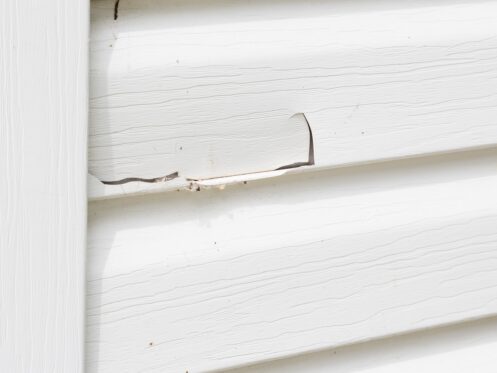
Visible siding damage is often the first sign your exterior needs attention. Cracks, loose panels, gaps, and warped sections usually develop after years of weather exposure, strong winds, or storm damage.
Once siding starts to pull away, moisture and outside air can access the structural and insulating materials beneath. Warped panels also suggest that moisture is already trapped behind the siding. Scheduling siding services in Cranberry Township is the best way to address these issues early.
Moisture Stains, Mold, or Soft Spots
Water-damaged siding should never be ignored. Dark streaks, mildew, bubbling paint, and soft spots indicate water intrusion behind the siding. In some cases, you may notice musty odors indoors or dampness in certain rooms after heavy rain.
As moisture continues to spread, the materials beneath the siding may weaken and deteriorate. Mold growth may also contribute to poor indoor air quality. Prompt repair work helps you breathe easy and reduces the chance of moisture reaching crucial structural components.
Higher Energy Bills or Drafty Rooms
While leaky windows and doors are largely responsible for rising energy bills, siding damage also contributes. After all, cracks and openings around the exterior allow outside air to enter more easily, forcing your HVAC system to work harder. It’s akin to leaving the lid ajar on your drink cooler, which compromises its insulation.
If certain rooms feel drafty in winter or hard to cool in summer, check the siding for gaps or weakened sections that may be contributing to the problem. Siding repair or replacement improves insulation performance and creates a tighter barrier around your home.
Faded, Peeling, or Deteriorating Exterior Materials
It’s natural for siding to lose some color as it ages, but excessive fading, peeling, or deterioration may indicate that the materials are failing. Constant exposure to sunlight, moisture, and fluctuating temperatures weakens the surface and reduces your home’s protection from the elements.
You may notice brittle sections, chalky residue, peeling paint, or siding that no longer looks uniform across the exterior. Older materials also become more vulnerable to cracking during storms and severe weather. Once siding starts to break down, your home becomes increasingly vulnerable to moisture damage and other exterior problems.
When Siding Damage May Point to a Bigger Exterior Issue
Siding trouble sometimes develops alongside other exterior concerns. After all, storm damage and the wear and tear of aging often affect multiple parts of your home at once.
During a siding inspection, your contractor may also check for the following:
- Roofing problems: Missing shingles, warped flashing, or roof leaks may direct water toward your siding, accelerating damage.
- Gutter failures: Overflowing gutters allow water to run down the siding during heavy rain.
- Damaged soffit and fascia: Moisture exposure near the roofline weakens these areas, creating openings for pests and water intrusion.
- Hidden structural damage: Moisture trapped behind the siding may affect framing or insulation.
- Storm-related exterior damage: Wind and hail often damage roofs, gutters, and siding simultaneously during severe weather events.
A full exterior inspection reveals your home’s overall condition and prevents adjacent concerns from being overlooked.
Schedule Siding Service in Cranberry Township
If you’ve noticed signs that siding problems are affecting your home exterior in Cranberry Township, it’s time to call Buccos Roofing. We have served homeowners since 2012 with expert craftsmanship, honest communication, and top-rated products from industry-leading brands. We also back our work with a 10-year craftsmanship warranty for your peace of mind.
Contact us today to request a free estimate for professional siding services in Cranberry Township, PA.
Frequently Asked Questions