Severe storms with hail, high winds, and flying debris commonly plague roofs in southwestern Pennsylvania. During unpredictable seasons of blizzards, summer storms, and other unrelenting weather patterns, the condition of your roof matters more than ever. If your roofing has suffered damage from Mother Nature’s wrath, Buccos Roofing offers you reliable, durable solutions for roofing storm repair in Cranberry Township, PA.
Emergency Roofing Storm Repair in Cranberry Township, PA
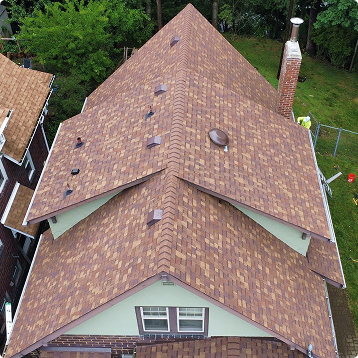
Storm Damage Roof Contractor in Cranberry Township, PA
Your roof takes heavy hits during major storms, possibly causing damage that you may not even see. Windstorms, water pooling, or accumulation of snow, ice, or tree limbs can invisibly wear away your roof’s functionality. The team at Buccos Roofing is trained to assess hail and storm damage, and we have the skills and high-quality materials to repair it properly.
When nature’s forces impact your property, you need a storm damage roof contractor in Cranberry Township with the expertise to restore your roof’s integrity. Experts recommend having your roof inspected after any major weather event, especially windstorms or hail. You may not detect damage such as missing granules or cracked shingles, which could escalate to more costly issues. A professional inspection can help you identify concerns early, potentially saving you further damage and money.
Reasons and Repairs for Storm Damage
In any season, a host of weather-related events can weaken your roof and increase the risk of leaks, rusting, mildew growth, or even collapse. During the winter, freeze-thaw cycles may allow moisture to seep into cracks and expand when frozen. These cycles can compromise your roof’s structural integrity over time. Ice dams formed from melting snow that refreezes along your roof’s edges can cause water to back up under your shingles, leading to leaks. Excess weight from snow accumulation might strain your trusses and rafters, causing sagging.
Summer weather can be merciless, too. High temperatures and UV rays may cause asphalt shingles to become brittle. Heat and humidity can team up to make roofing materials expand and shift.
Intense downpours throughout the year can force water into cracks in roofing materials, leading to moisture damage. Windstorms might loosen or remove shingles or other roof components. Debris buildup on your roof may impede proper drainage, allowing water to collect. Hail stones might pounce upon your property and crack your shingles. Fallen trees or overhanging branches could land on your roof, scraping or puncturing shingles – or worse.
After hail or storm damage, your home may need services such as:
- Roof repairs or replacement
- Gutter and downspout repairs
- Skylight and window repairs
- Siding repairs
You can often see signs that your roof needs storm damage repairs. You might notice missing, lifted, or cracked shingles. Damage to chimneys, roof vents, or skylights is usually apparent. Water stains on your ceilings or inside your attic also indicate damage. Dented gutters or flashing can be telltale signs that your roof needs repairs as well.
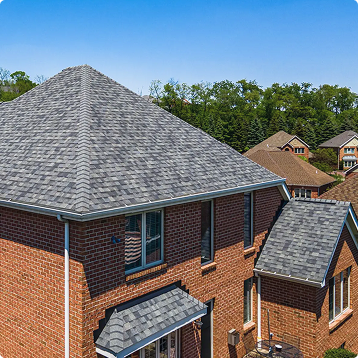
Roofing Storm Repair in Cranberry Township, PA
When your roof needs repair or an upgrade, our skilled team at Buccos Roofing offers a wide range of storm restoration services to help you keep your property beautiful and compliant with building codes. We work quickly yet thoroughly to restore your roof to its pre-storm condition or better. Buccos Roofing is a BBB-accredited, A+ company and Owens Corning Platinum Preferred Contractor. We take pride in satisfying our customers, serving you as we would want to be served. Homeowners throughout southwestern Pennsylvania have awarded us “Best of the Best” commendations for our top-tier workmanship and exemplary customer service.
As a local, family-owned company, Buccos Roofing has almost a decade of experience as storm damage roof contractors in Cranberry Township and surrounding areas. Our licensed team specializes in roof repair and replacement following damage from extreme weather. We can also assist you with filing an insurance claim and communicate with your insurance company to help ensure a seamless claims process. You can count on us to restore your roof and safeguard your home against the onslaught of future storms.
Don’t put off your emergency roof repairs until milder weather comes. We’ll come to your aid any time of the year, weather permitting. To protect or fix your roof from storm damage, call Buccos Roofing now for a free, no-obligation in-home quote. Short-term and long-term financing is available for qualifying customers.
For reliable, expert roofing storm repair in Cranberry Township, PA, contact Buccos Roofing or complete our online form today for the trustworthy, professional service you deserve.
See What Customers Are Saying About Us!
From start to finish Buccos was professional and detail oriented. Our salesman Corey answered all the questions we had and explained the entire process so we knew what to expect. Once in the production phase Domenic was outstanding with communication and punctuality. His crew was punctual and detail oriented. They took precautions to not damage any property and cleaned up everyday. Also I liked the drone pictures Domenic sent every couple hours so I could see the progress the crew was making everyday. Very happy with our new roof and Buccos service.
Get In Touch
Ready to Elevate Your Home?
When you need quality roofing, gutter, or siding services, contact our team at Buccos Roofing!
Contact Us
© 2026 Buccos Roofing
|
All Rights Reserved
|Privacy Policy
|
|
License: #PA093670
Web Design and Digital Marketing by RYNO Strategic Solutions.